
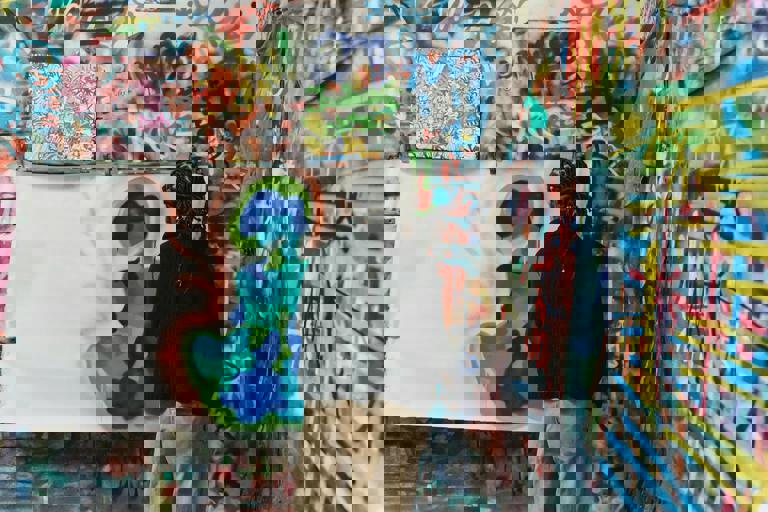
A remarkable chapter in the story of British art has been reopened with the restoration of several murals by once-forgotten painter Margaret Elwood. These vibrant public artworks, originally created in the mid-20th century, had languished unnoticed under layers of grime and neglect. The effort to revive them was spurred by the recent discovery of archival material by local historian Thomas Kirkland, who stumbled upon Elwood’s correspondence describing the murals’ original intent and cultural significance.
Elwood’s murals, located in the public corridors of municipal buildings and community spaces, depict scenes of everyday British life infused with optimism and color. As public tastes shifted over decades, these murals were gradually covered or ignored, and Elwood’s name faded into obscurity. Kirkland explained, “I was researching local history when I uncovered blueprints and letters that led me to these remarkable works. It felt like unearthing buried treasure.”
Professional conservators joined Kirkland’s cause, brought in to meticulously remove decades of paint and soot. Their work revealed not only the brightness of Elwood’s palette but also the technical skill required to execute such large, detailed scenes. Conservation team leader Hannah Patel shared, “It’s rare to work on murals that blend social commentary and artistic innovation so seamlessly. Elwood was ahead of her time in both style and subject matter.”
News of the murals’ rediscovery quickly attracted attention from art historians and the general public. The restoration process was documented, with local media highlighting both the painstaking methods and the astonishing results. As images of the revitalized artworks circulated online, social media buzzed with speculation about Elwood’s significance and why her contributions had been overlooked for so long.
Public reaction has been one of pride and curiosity. Residents who remember glimpses of the murals from decades past have come forward with stories and personal connections. “My grandmother used to point one out on her way to work,” recalled local resident Emily Wells. “It’s incredible to see it shining like new. It makes me feel connected to the history of our community in a tangible way.”
The story of Elwood’s fading from public memory points to wider challenges in art preservation and recognition, especially for women artists. Dr. Simon Foster, an art history lecturer, remarked, “Margaret Elwood’s marginalization reflects a broader pattern where the achievements of female artists are undervalued. This restoration is not just about aesthetics—it's a corrective to cultural memory.”
The restored murals now serve as both artistic and educational resources. Tours and workshops led by art educators have introduced new generations to Elwood’s visionary approach. These events are often accompanied by discussions on the importance of preserving local culture, sparking renewed dialogue about the social function of public art in Britain’s towns and cities.
Funding for the restoration was secured through a mix of council grants, private donations, and crowdfunding. According to project coordinator Alison Roach, “The overwhelming response from individuals willing to contribute demonstrates how deeply people care about reclaiming their shared heritage. It's rare to see such cross-generational enthusiasm for a public art project.” She noted that the success of the campaign could provide a model for similar efforts elsewhere.
Cultural institutions have also taken note, with the local museum now planning a special exhibition on Elwood. The exhibition will display sketches, photographs, and letters unearthed by Kirkland, offering insight into her creative process and the historical context of her work. “We hope to inspire visitors by showcasing both the art and the detective work that brought it back to life,” explained curator Louise Bennett.
Importantly, the discourse around Elwood’s murals has reignited questions about whose stories are told through public art. In the words of art critic Jonathan Marks, “Restoring these murals is an act of cultural recovery. We’re not just repairing paintings; we’re confronting the blind spots in our public history and working to fill them.” This sentiment has driven renewed interest in other forgotten or hidden artworks in the region.
Looking forward, plans are under way to catalogue additional works by Elwood and launch educational materials in local schools. Organizers hope that this renewed attention will encourage appreciation of public art’s role in shaping community identity. As Roach stated, “Art isn't static—it lives as long as people engage with it. We want Elwood’s murals to inspire future generations of artists and citizens alike.”
The restoration of Margaret Elwood’s murals stands as a testament to the enduring power of artistic vision and community effort. From their rediscovery through restoration to renewed celebration, these artworks remind us of the treasures that can lie hidden in plain sight. As the murals regain their rightful place in the cultural landscape, they also offer a hopeful narrative of recognition, resilience, and the rediscovery of overlooked genius.