
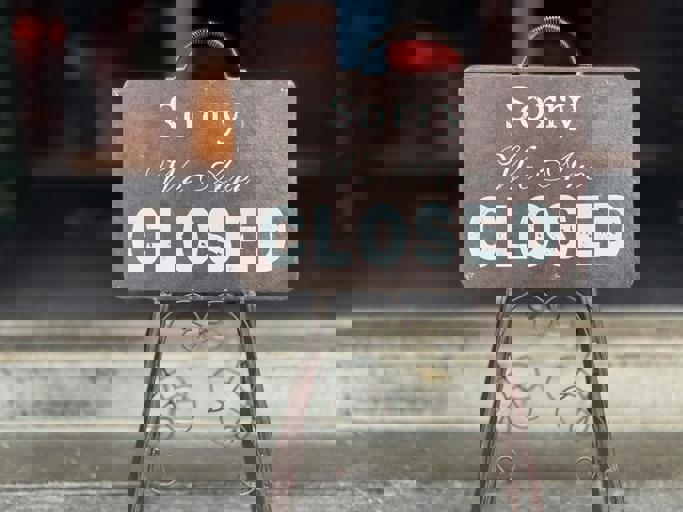
The sudden closure of several branches belonging to a prominent retail giant has sent shockwaves through the UK’s business community and left scores of employees in an uncertain position. The abrupt nature of these store closures, announced without prior warning, has prompted immediate backlash from workers and local customers alike. Many have turned to social media to air their frustrations, igniting public debate about the company’s transparency and treatment of its staff.
Employees, many of whom arrived at their workplaces only to find locked doors and closure notices, say the lack of communication from the company has been distressing. “We had no idea this was coming. One day we’re working, the next our livelihoods are gone,” said James Walker, a team supervisor at one of the affected stores. Other staff members expressed concern about the absence of redundancy packages or support.
Industry analysts have speculated that these closures may be a signal of deeper problems within the company’s financial structure. Last month, reports surfaced about a dip in the retailer’s quarterly profits, attributing the downturn to increased competition from online vendors and shifting consumer habits. Financial expert Lila Payne said, “When a company closes multiple stores overnight, it often points to bigger fiscal challenges beneath the surface.”
Local business councils have voiced their disappointment, highlighting the broader impact on high streets that are already struggling with vacant properties. Councillor David Ellis described the closures as a setback for community regeneration efforts, stating, “Each shuttered storefront not only affects workers but also has a ripple effect on neighbouring businesses and local morale.” Advocacy groups are calling for government intervention to support those affected.
The company’s leadership has issued a brief statement, citing “changing market conditions” as the reason for the immediate closures. However, critics argue that greater transparency is needed to reassure both investors and the public. Shareholders were reportedly blindsided by the announcement, leading to a swift drop in the company’s stock value during early morning trading sessions.
In response to mounting criticism, the retailer has promised to set up a support helpline for displaced workers and pledged to explore alternatives for re-employment within the wider company. Nevertheless, unions representing retail employees are demanding more concrete guarantees. The Retail Workers’ Union spokesperson, Sarah Peters, said, “Our members deserve better than vague assurances. We need specifics about pay, job transfers, and future compensation.”
Shoppers have been equally vocal, lamenting the loss of a familiar presence in their communities. Frequent customer Elaine Morris noted, “For some of us, this store was a real lifeline, especially for older people who can’t easily travel further.” Social media has been flooded with personal stories and calls for the company to reconsider its decision or at least provide adequate notice for future changes.
As rumours swirl regarding the company’s long-term viability, market observers note that the closures could be part of a larger restructuring plan aimed at stemming losses. “It’s possible the retailer hopes to pivot toward an online-first model, but the speed and scale of the shutdowns suggest desperation,” commented business columnist Richard Allen. The secrecy around future plans has done little to reassure concerned stakeholders.
The incident has prompted renewed discussion about the vulnerability of large brick-and-mortar chains in an era dominated by online retail giants. Experts highlight the need for traditional retailers to innovate and adapt to evolving consumer preferences, or risk similar fates. With several well-known chains facing their own financial headwinds, the fate of this retailer may serve as a cautionary tale for the broader sector.
As the company navigates heightened scrutiny, attention now turns to how it will mitigate the fallout from these closures. Industry observers agree that transparent communication and comprehensive support for affected employees will be critical in repairing reputational damage. With consumer trust at stake and local economies in flux, the retailer faces a difficult road ahead in restoring both its image and its operational stability.