
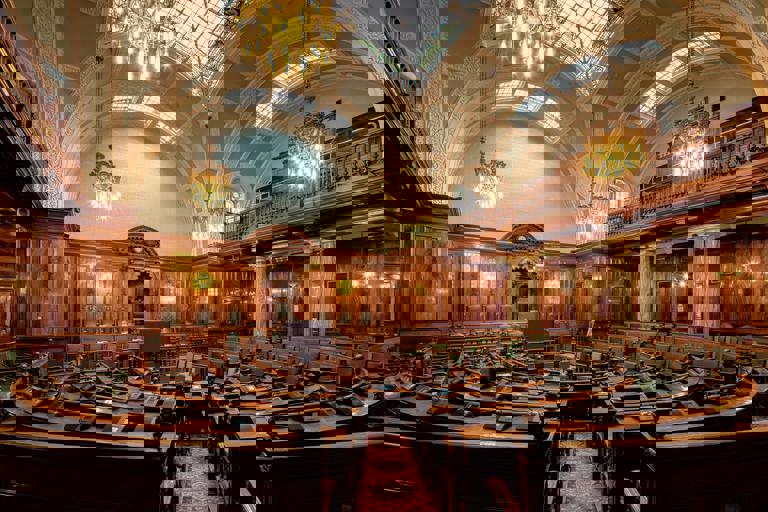
Parliament is moving decisively to reform rules on lobbyist access following a highly anticipated ethics report that raised pressing questions about the relationship between policymakers and industry representatives. The newly released investigation, conducted by the Committee on Standards in Public Life, pointed to multiple instances where lobbying activities blurred the lines between public service and private interests. Lawmakers responded by launching a comprehensive review of existing guidelines in an effort to restore public trust in government processes.
The ethics report documented several cases where lobbyists gained unusual proximity to ministers and senior officials, sometimes even being present in policy discussions or providing written materials that later influenced legislative texts. Transparency campaigners argue that these types of interactions can diminish democratic accountability. According to the committee's chair, "Citizens expect government decisions to be made in the public interest, not merely to serve well-connected voices."
Among the proposed changes is a substantial tightening of the register of lobbyists, with new requirements for more frequent disclosures and clearer definitions of lobbying activity. Currently, critics say ambiguous rules allow many organizations to avoid scrutiny, exploiting loopholes that keep their engagements with officials shielded from the public eye. The reforms aim to create a robust system where all lobbying efforts must be reported promptly, regardless of their size or the seniority of those involved.
Parliamentarians from across the political spectrum have voiced support for these measures, reflecting widespread concern about the potential for undue influence. Shadow Cabinet members and government backbenchers alike acknowledged in debates that clear boundaries must be drawn. Conservative MP Caroline Spelman remarked, “A strong democracy relies on openness and the assurance that policy isn’t for sale to the highest bidder.” Labour’s ethics spokesperson added that change was “long overdue.”
A notable recommendation from the ethics report is the introduction of a mandatory two-year ‘cooling-off’ period for former ministers and senior civil servants before they can take lobbying roles related to their previous government responsibilities. This proposal aims to prevent the so-called ‘revolving door’ phenomenon, where officials move directly from public office into lucrative consultancy positions, leveraging confidential knowledge for private gain.
Business representatives reacted with a mix of skepticism and acceptance to the draft guidelines. While industry associations voiced support for greater clarity and trust, some privately expressed concerns that overly rigid rules could stifle legitimate dialogue between sectors and government. John Smith, chief executive of a major trade group, commented, “We value transparency, but it’s crucial that companies can continue to provide expertise and insights that support sound policymaking.”
Public reaction has been overwhelmingly in favour of stricter lobbying controls. Polling released this week by the independent group YouGov indicated that 72% of respondents believe lobbyists currently have too much influence in Westminster, and more than 80% support more regular publication of lobbying meetings and correspondence. Civil society organisations praised Parliament’s urgent response, with the campaign group Transparency International calling the proposals “a vital step in closing the accountability gap.”
The reform package is also expected to expand powers for the Parliamentary Commissioner for Standards, including the ability to undertake proactive investigations into potential breaches. Previously, the Commissioner was often reliant on whistleblowers or media exposés to launch inquiries. Supporters say these new powers will strengthen the enforcement of ethical guidelines and serve as a warning against improper conduct within government corridors.
Implementation of the proposed reforms will require legislative action as well as changes in administrative procedures. Lawmakers have set an ambitious timeline, with the goal of enacting new rules before the end of the parliamentary session. Training programmes are expected to roll out for public officials and members of Parliament, ensuring a common understanding of the updated obligations and consequences associated with breaching them.
As Parliament moves ahead with these changes, attention will remain fixed on the practical effects of the reforms and their impact on the culture of national governance. While the ethics report has triggered a reckoning within Westminster, experts caution that only consistent enforcement and ongoing scrutiny will keep the system transparent and accountable. For now, the sweeping proposals have marked a key turning point in the effort to realign politics with the values of integrity and public service.